#1 - Vaquita
Species Information
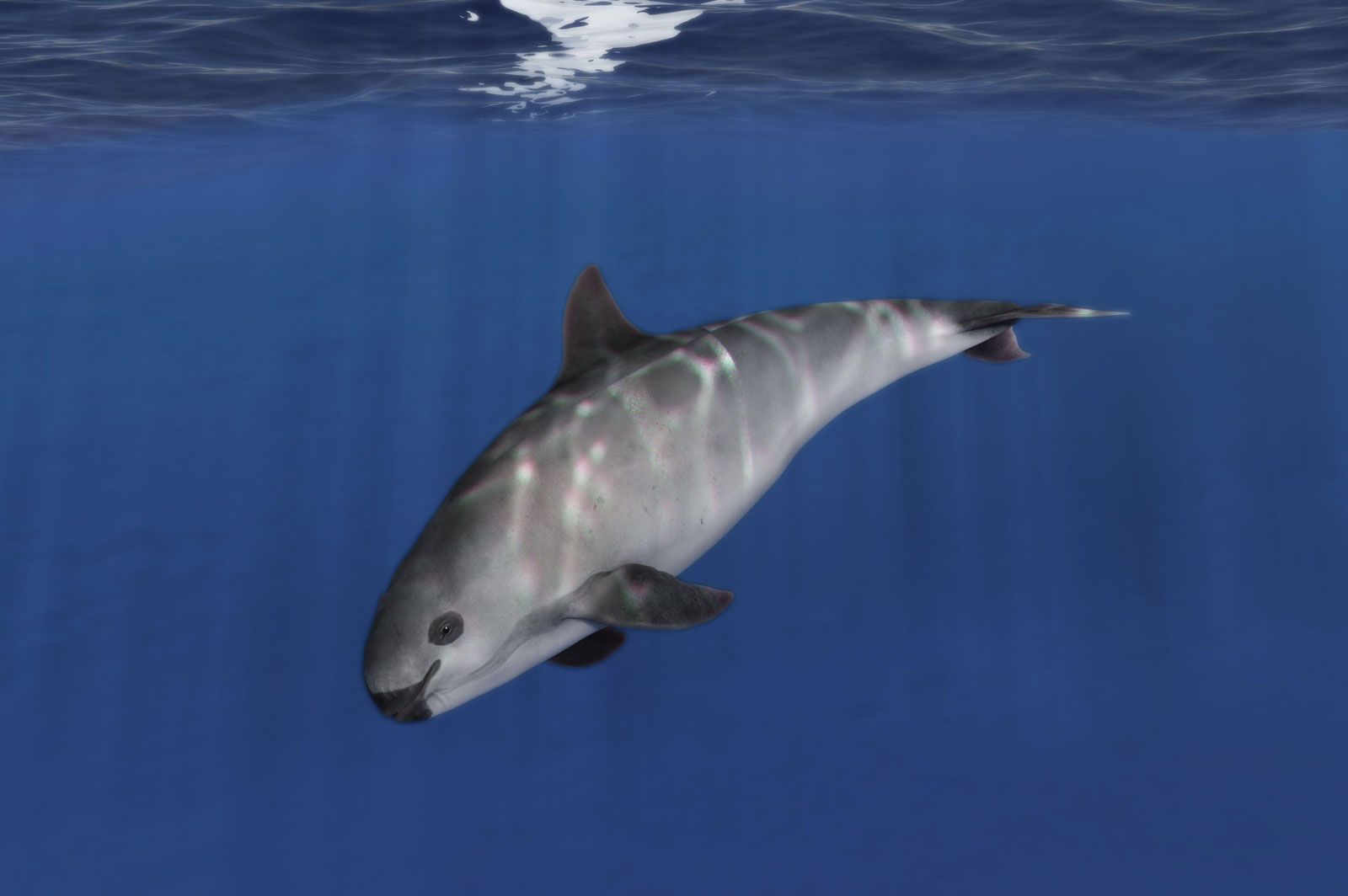
The Vaquita, meaning "little cow" in Spanish, holds the tragic distinction of being the world's most endangered marine mammal and the rarest cetacean. With fewer than 10 individuals believed to remain, this small porpoise is teetering on the brink of extinction. Found only in the northern Gulf of California, Mexico, the Vaquita is the smallest of all cetaceans and was only discovered by science in 1958.
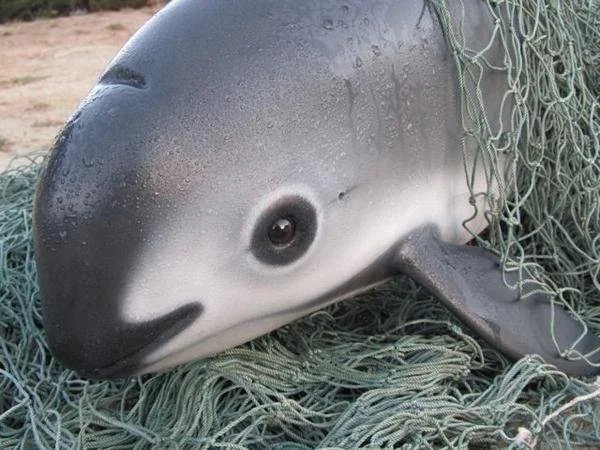
Vaquitas are elusive and shy creatures, known for their distinctive dark rings around the eyes and lips, giving them a panda-like appearance. They typically live in shallow, murky waters where they feed on various fish and squid species. Unlike dolphins, they avoid boats and are rarely seen at the surface, making population surveys exceptionally challenging. Their small population size and restricted range make them incredibly vulnerable to environmental changes and human activities.
The primary threat to Vaquitas is accidental entanglement in illegal gillnets set for totoaba fish, whose swim bladders are highly prized in traditional Chinese medicine. Despite a permanent ban on gillnet fishing in their habitat and international conservation efforts, illegal fishing continues to drive this species toward extinction. Time is running out for this gentle marine mammal, making its conservation one of the most urgent wildlife emergencies in the world.
Did You Know?
Their Spanish name means "little cow," but locals sometimes call them "panda of the sea" because of their distinctive dark eye rings.