#4 - Sunda Pangolin
Species Information
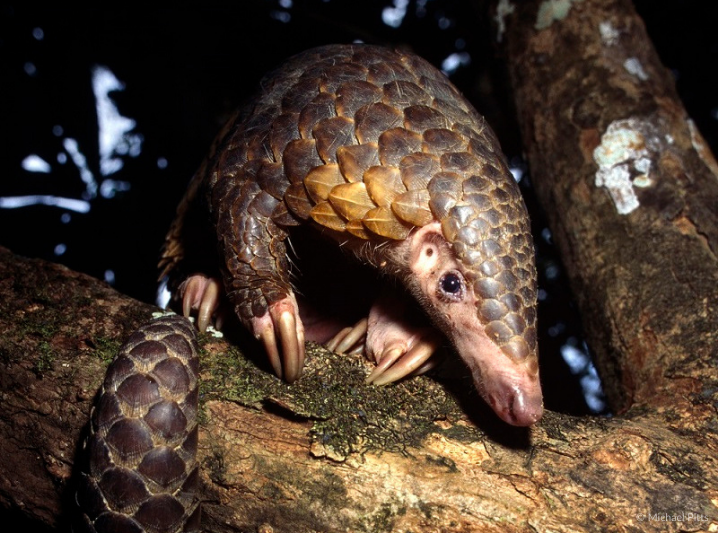
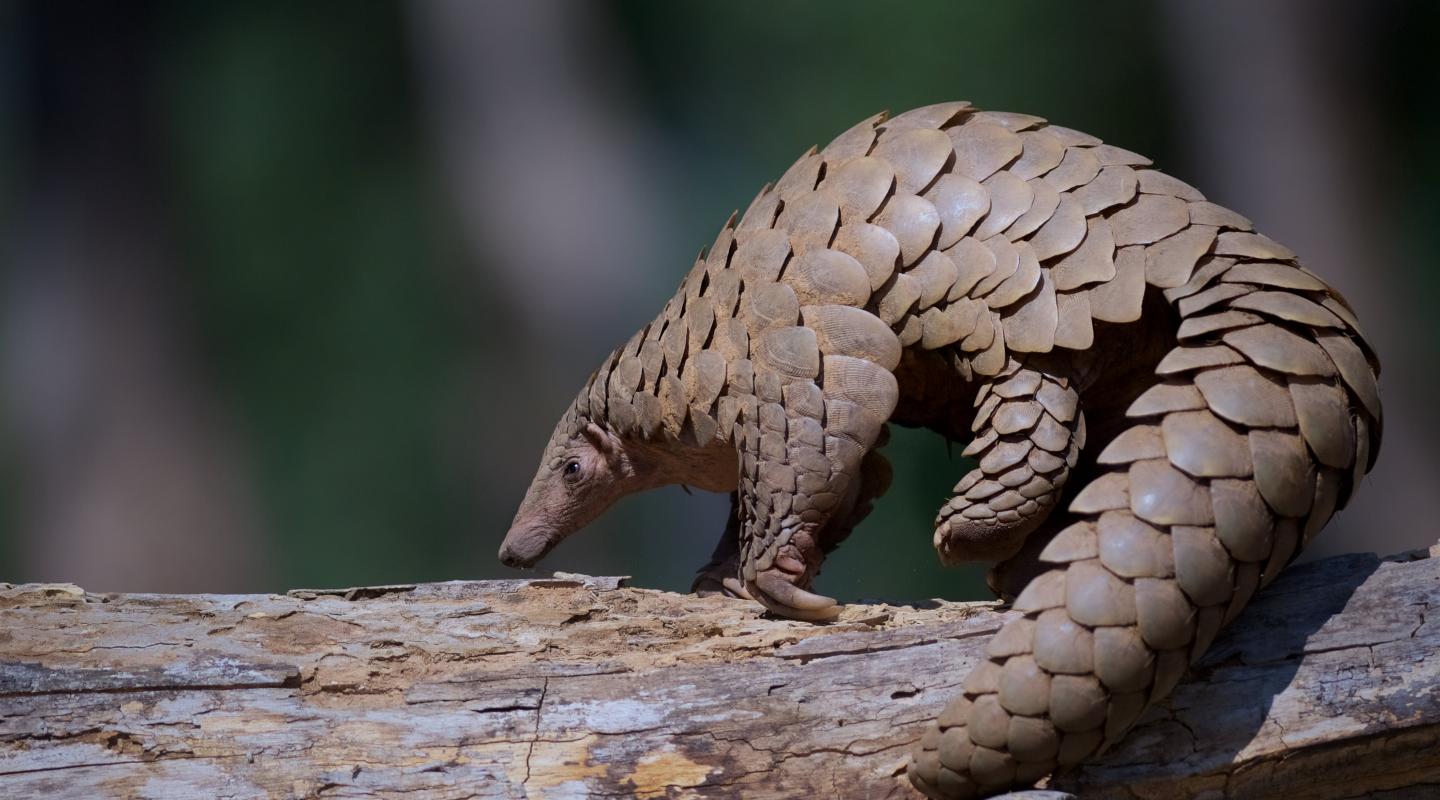
The Sunda Pangolin, also known as the Malayan or Javan pangolin, is one of the most trafficked mammals in the world. These unique creatures are covered in protective keratin scales that overlap like artichoke leaves, which unfortunately make them a prime target for illegal wildlife trade. Found throughout Southeast Asia, from Myanmar to Indonesia, they play a crucial role in their ecosystem as natural pest controllers.
These solitary, nocturnal mammals are expert diggers, using their powerful claws to break into termite mounds and ant nests. Their long, sticky tongues—which can extend up to 16 inches—allow them to efficiently consume thousands of insects each night. When threatened, Sunda Pangolins roll into an impenetrable ball, using their sharp-edged scales as armor against predators.
Habitat destruction and relentless poaching have driven the Sunda Pangolin to the brink of extinction. Their scales are falsely believed to have medicinal properties in traditional Chinese medicine, while their meat is considered a delicacy in some regions. Conservation efforts face significant challenges due to the high demand on the black market and the species' secretive nature.
Did You Know?
Sunda pangolins have no teeth, They use small stones and keratinous spines in their stomach to grind up the insects they eat. A single pangolin can consume up to 70 million insects per year, making them incredibly valuable for natural pest control in agricultural areas.