#9 - Axolotl
Species Information
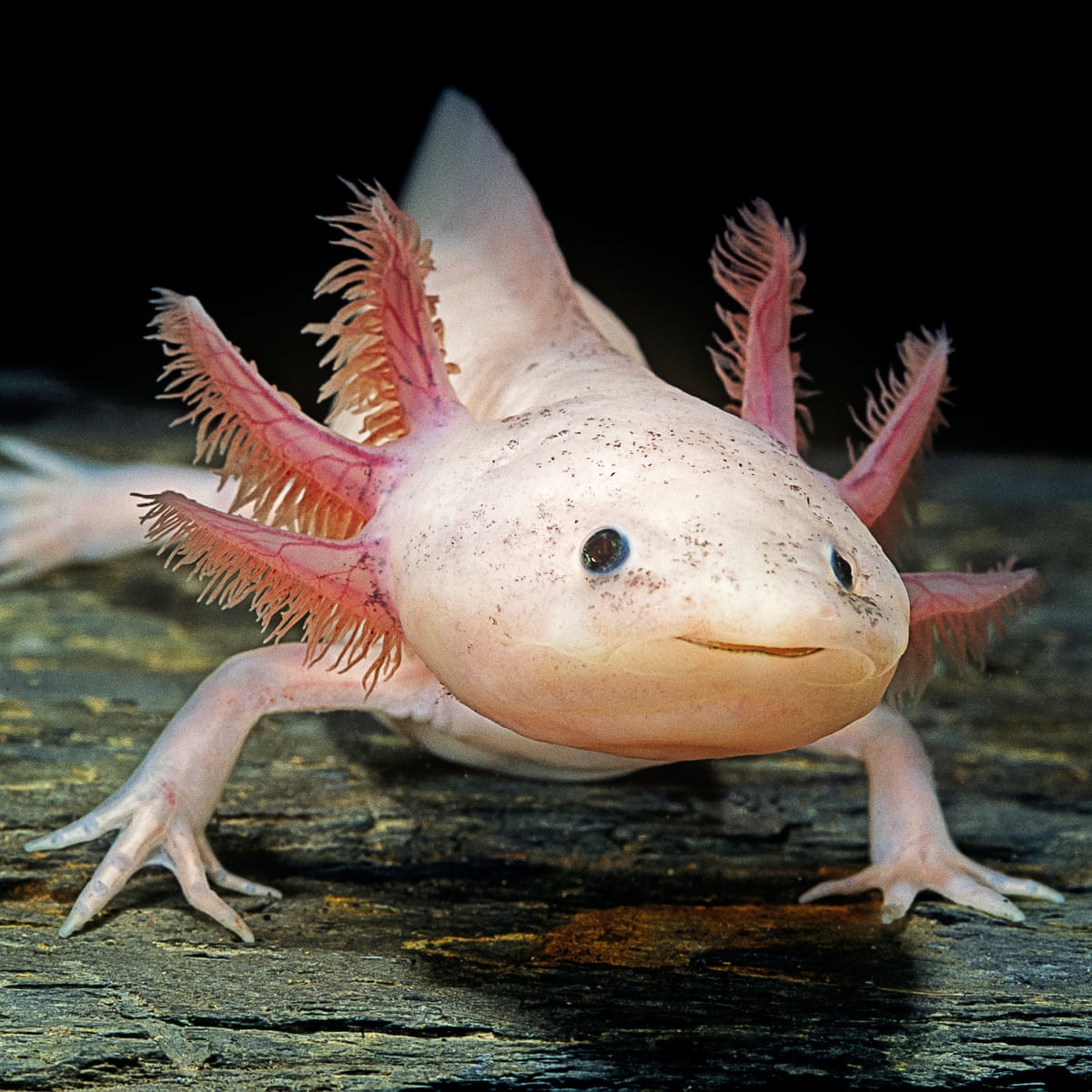
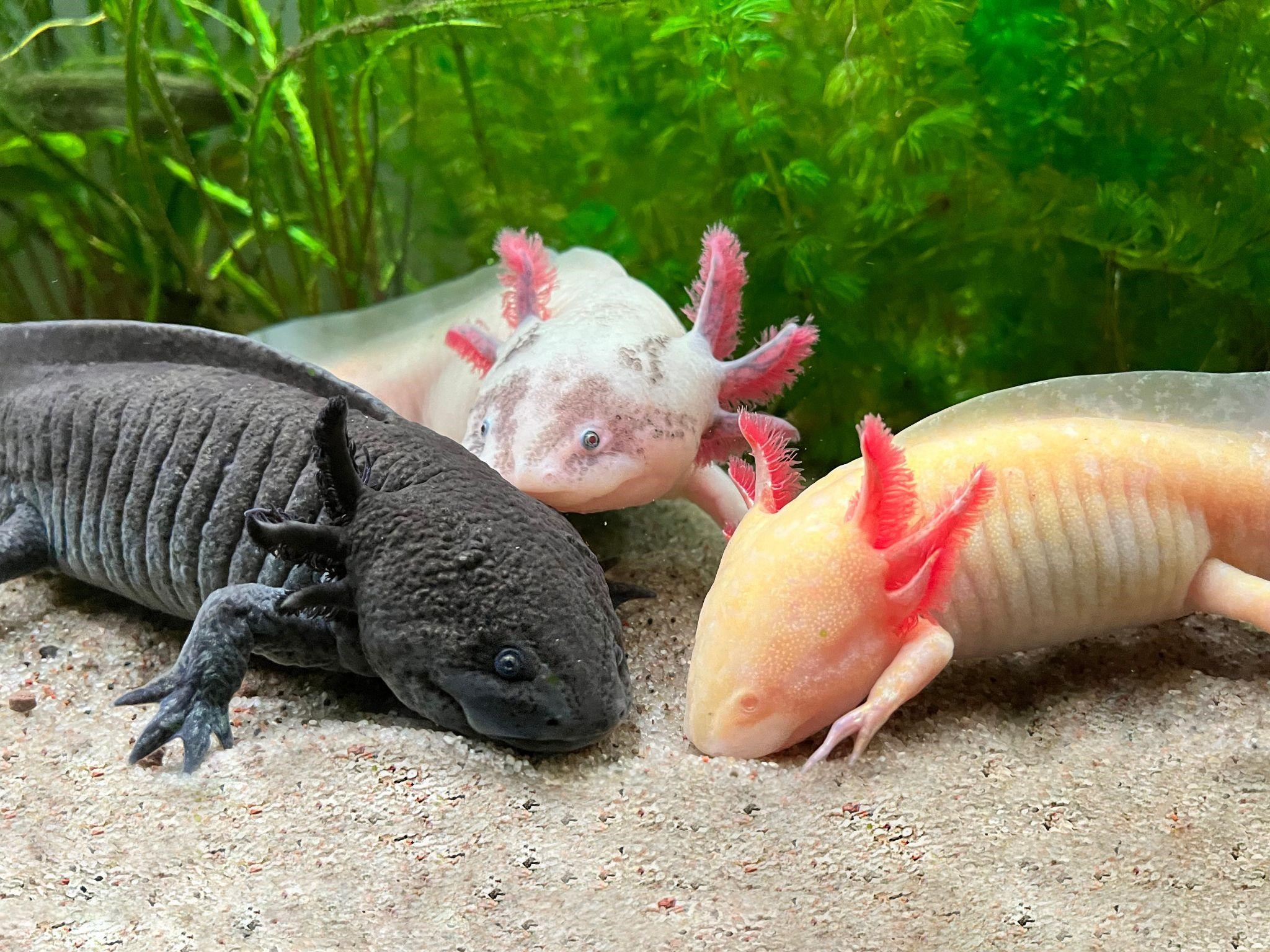
The Axolotl, often called the "Mexican walking fish," is one of the world's most remarkable amphibians. Unlike other salamanders, Axolotls retain their larval features throughout their entire lives—a phenomenon known as neoteny. They remain aquatic with external gills and never undergo complete metamorphosis to become land-dwelling adults. Native only to the ancient lake complex of Xochimilco near Mexico City, these fascinating creatures have captured scientific interest worldwide for their incredible regenerative abilities.
Axolotls possess extraordinary regenerative capabilities that are unmatched in the animal kingdom. They can regenerate entire limbs, spinal cords, hearts, and even parts of their brains without scarring. This remarkable ability has made them a crucial model organism in scientific research, particularly in the fields of regeneration, development, and cancer studies. Their unique biology offers potential insights into human medical advancements.
Despite their importance in laboratories worldwide, wild Axolotl populations have declined catastrophically. Urban expansion, water pollution, invasive species (especially tilapia and perch), and habitat destruction have reduced their native habitat to a few scattered canals. Conservation efforts are racing against time to save this iconic species from extinction in the wild.
Did You Know?
Axolotls can regenerate almost any body part, including limbs, tail, spinal cord, heart, and even parts of their brain, They can do this repeatedly throughout their lives without scarring. Scientists study them to understand regeneration, hoping to apply this knowledge to human medicine.