#8 - Saola
Species Information
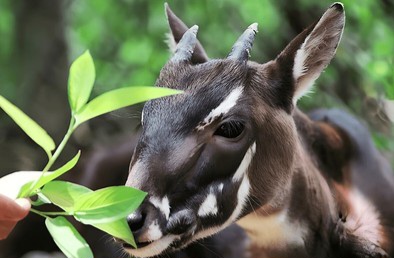
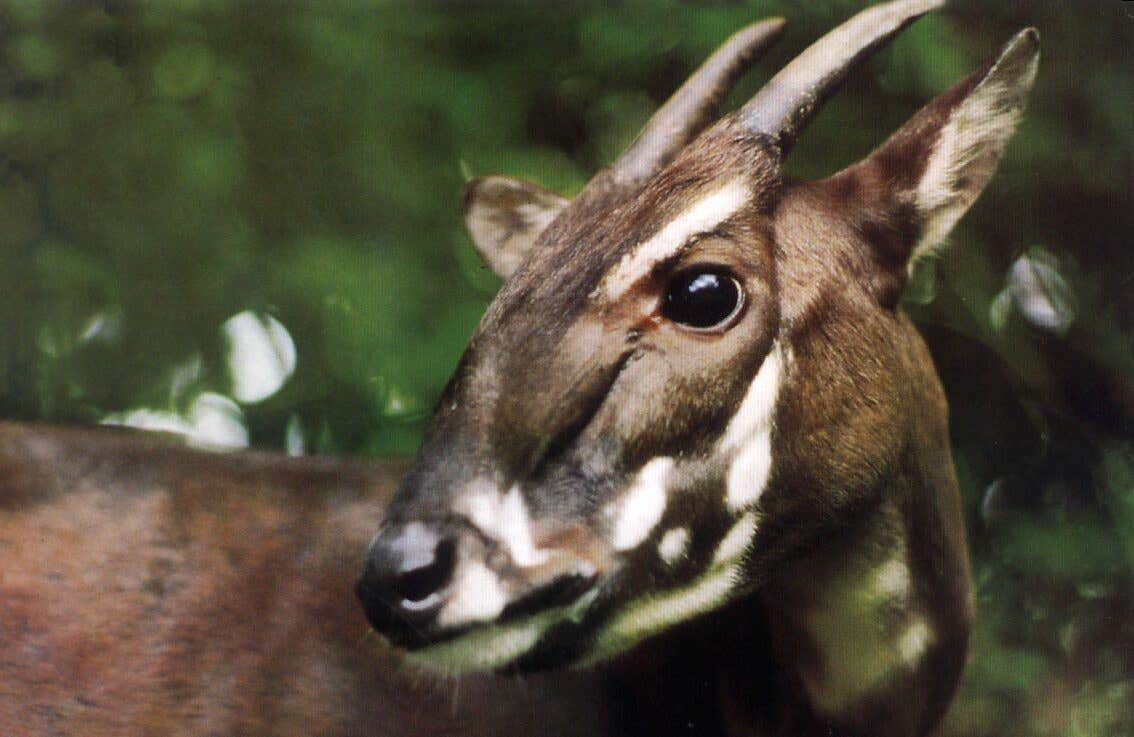
The Saola, often called the "Asian unicorn," is one of the world's rarest large mammals and represents one of the most spectacular zoological discoveries of the 20th century. First discovered by science in 1992 in the Annamite Mountains along the Vietnam-Laos border, this elusive creature captured global attention as the first large mammal new to science in over 50 years. Despite being a bovine relative, its elegant appearance with long, straight horns and striking white facial markings gives it a mystical, deer-like appearance.
Saolas are incredibly elusive and secretive animals, with fewer than 100 individuals estimated to remain in the wild. They inhabit dense, wet evergreen forests at elevations between 300-1800 meters, preferring remote valleys near clear, fast-flowing streams. Their preferred habitat is some of the most rugged and inaccessible terrain in Southeast Asia, which has both protected them from human disturbance and made scientific study exceptionally challenging.
This remarkable species faces numerous threats including habitat loss from infrastructure development, illegal hunting through wire snares set for other wildlife, and potential diseases transmitted from domestic livestock. Conservation efforts are complicated by the species' extreme rarity and the political challenges of working across international borders in remote regions.
Did You Know?
Saola means “spinning-wheel-post-horn” in a local language in Vietnam. Although it’s distantly related to other Asian wild cattle species, like the Tamaraw, it looks very different.